The Notice Ran on Page C-7. You Had Fifteen Days. Nobody Told You.
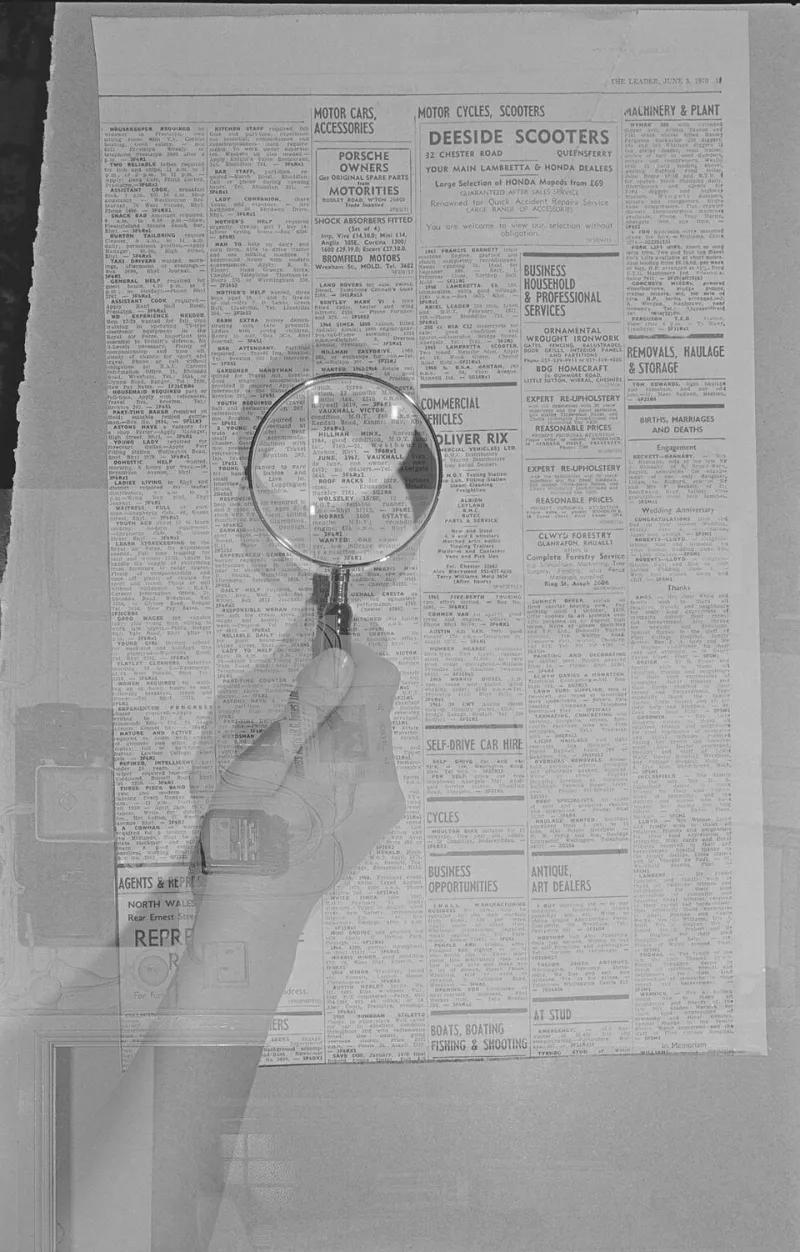
Photo: Geoff Charles, CC BY-SA 4.0, via Wikimedia Commons
It would be convenient if the city texted you when a developer filed to rezone the corner lot. It does not, and in most states it isn't required to. What the law requires is something older and stranger: a legal notice, published in a specific place, for a specific number of days, before a specific decision.
Which means the entire fight — the hearing, the letters, the petitions, the eleven o'clock testimony — is downstream of a classified ad that maybe two hundred people saw.
That should annoy you. It should also teach you where to look.
Noticing is the first substantive advantage
In most land-use processes, the notice window is the only period when a decision is genuinely open. After the hearing closes, you're in comment-and-wait territory; after the vote, you're in appeal territory, which is narrower, more expensive, and governed by deadlines measured in days.
Before the hearing, though, you can do real things: read the application, request the staff report, ask for the traffic study, talk to the applicant, and show up early enough that the planning department writes your concerns into its analysis. All of that requires knowing the item exists.
Where the law actually requires notice
Rules vary by state and by type of action, so treat this as a map, not a citation. But generally:
- Zoning and land use. Rezonings, conditional use permits, variances, and comprehensive plan amendments usually require published notice plus mailed notice to owners within a set radius — often 200 to 500 feet — and sometimes a posted sign on the property itself. The posted sign is the one people miss; drive the parcel and look.
- Budgets and tax rates. Adoption hearings and tax-rate increases frequently get published notice, with a minimum number of days between the ad and the hearing.
- Bonds and long-term debt. Debt issuance hearings often carry their own publication requirements.
- Charter amendments and certain ordinances. Some jurisdictions require newspaper publication before an ordinance takes effect.
- Environmental and utility actions. Separate statutes, separate notices, frequently filed with a state agency rather than the city.
The governing document might be a state statute, a city charter, a municipal code section, or all three at once. When you find a notice, read the citation line at the bottom — it names the law the notice is satisfying, and that citation is the thread you pull.
The three places to look every week
1. The newspaper of record. Many jurisdictions still designate an official newspaper — sometimes a small legal-notice publication rather than the metro daily, and often in a section nobody browsing news would ever scroll past. Your clerk's office can tell you the current designation in one email. Ask for it annually; these contracts change.
2. The agenda packet, not the agenda. Agendas are summaries. Packets contain staff reports, maps, application numbers, and the exact address. If your city posts packets a few days before the meeting, you'll often learn more there than from the notice itself.
3. The state or regional clearinghouse. Many states run a public notice website, and regional planning agencies frequently host their own. These are ugly and wonderful. Some let you subscribe by jurisdiction or keyword.
Set the alerts once, benefit for years
- Subscribe to the council, planning commission, and board of adjustment email lists — all three, not just council.
- If your city offers a keyword alert on its public notice page, set terms like "rezoning," "variance," "special exception," your street name, and the names of a couple of large parcels near you.
- Sign up for the county's and school district's agenda notices. Half of what shapes a neighborhood arrives through those doors.
- Put a recurring fifteen-minute calendar block on Friday. Check the three sources above and the posted-sign inventory if your city publishes one. Fifteen minutes a week is the whole discipline.
Reading a notice like a planner
A complete notice answers five questions. Most don't, and what's missing is itself information.
- What exactly is being requested? Look for a file or application number — it's the key to the entire record.
- Where precisely? A street address, a parcel ID, or a legal description. Not "near the intersection."
- When and where is the hearing? Including whether it's a quasi-judicial proceeding with different speaking rules.
- When does the comment period end? This is the real deadline, and it's frequently earlier than the hearing.
- Who do you contact, and how? A named planner with a phone number and email.
If any of that is absent, email the clerk and the planning department and ask for it in writing. If the notice itself was defective — wrong radius, too few days, wrong newspaper — that's a legitimate procedural objection, and it's one of the few that can be raised late, depending on your state's rules. Get guidance before you rely on it.
The continuance is your friend
Hearing on Tuesday, notice you saw on Friday, application you haven't opened? Go and ask for a postponement in writing, to a specific date, with a reason — you're requesting time to review the record. Bodies grant these more often than people expect, partly because the alternative is a legally fragile decision. Bring three copies and hand one to the clerk.
Why this is worth being annoying about
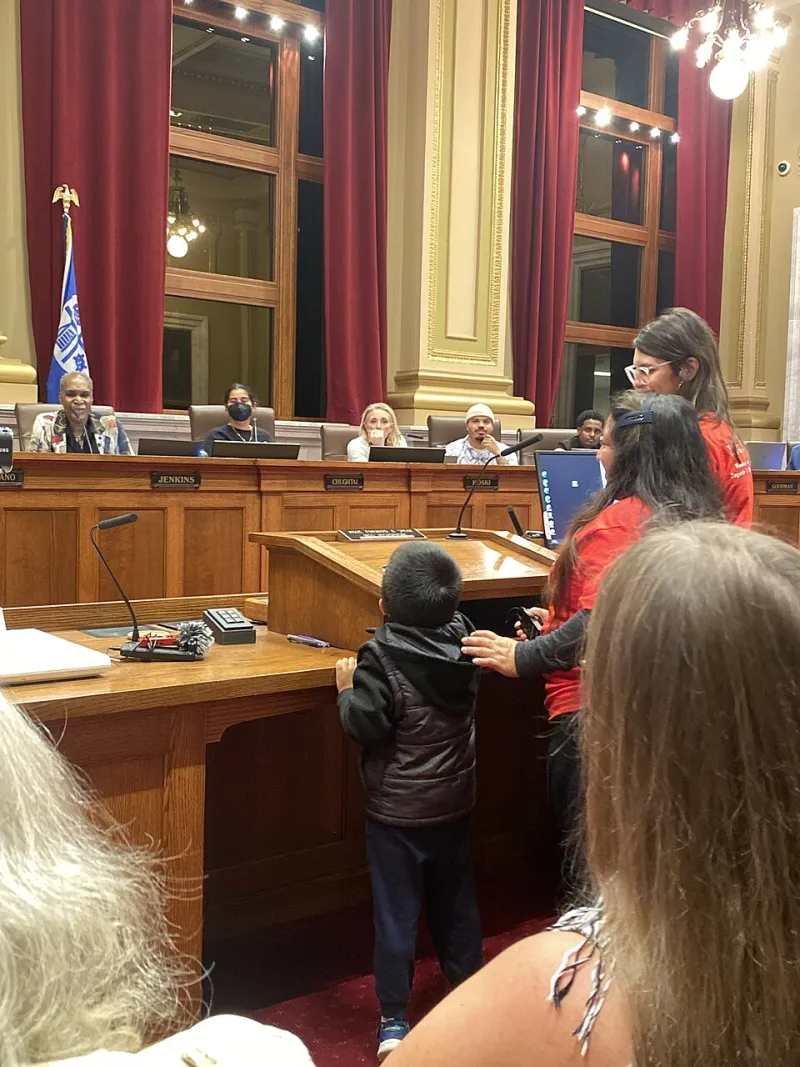
A hearing where the room is full of people who found out two weeks ago produces a different decision than a hearing where the room is full of people who found out yesterday. Not always. Often enough.
And there is a civic argument beyond tactics. A notice requirement exists because decisions made in public with public awareness are more legitimate than decisions made on a schedule that only insiders can track. When that mechanism fails quietly — a shrinking legal-notice paper, a PDF posted at 4:59 on a Friday — the failure isn't neutral. It advantages whoever has a lawyer on retainer.
So: find your paper of record this week. Subscribe to the planning commission list. Put the Friday block on your calendar. It's the least exciting thing in this entire website and it will outperform almost everything else you do.