You Don't Need a Lawyer to Say 'Point of Order.' You Need Page 14.
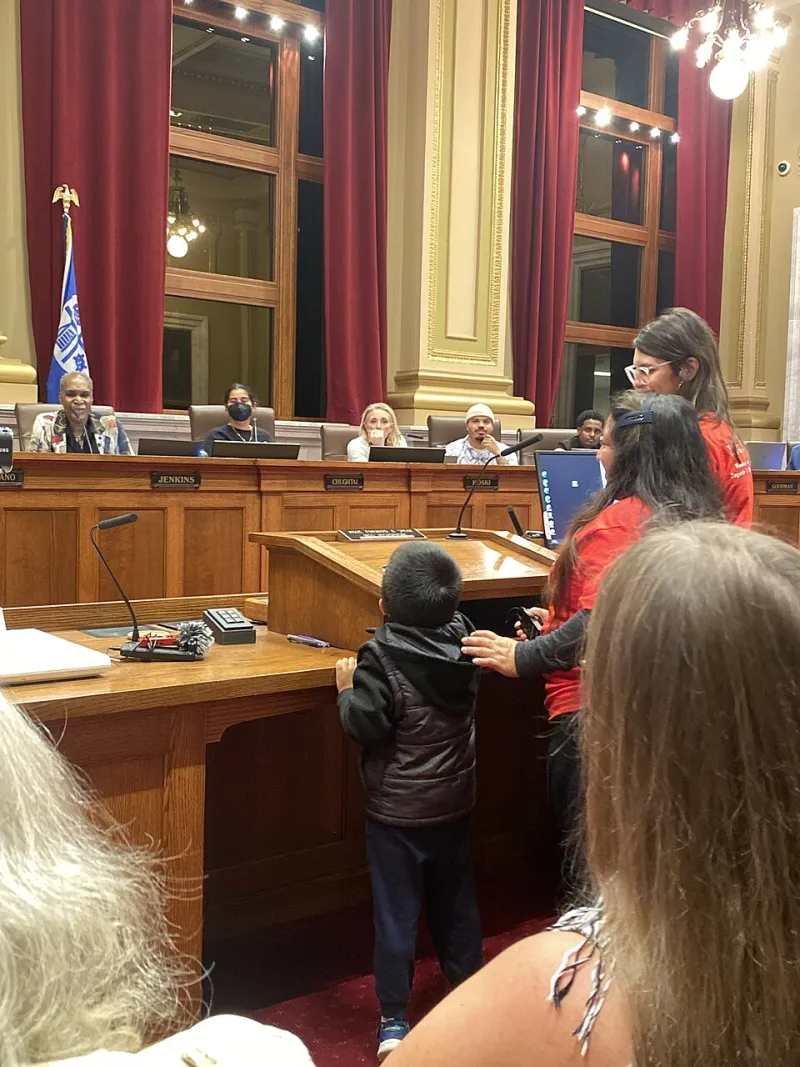
Photo: Taylor Dahlin, CC BY 2.0, via Wikimedia Commons
Every city council and county board in the country operates under a written set of rules — sometimes called rules of procedure, sometimes bylaws, sometimes an order of business. It is a public record. It is usually short. It is almost never read by anyone who isn't being paid to read it.
That asymmetry is the whole story. The people on the dais know the rules because the rules protect the agenda. You can know them too, and it costs about twenty minutes.
Where the document lives
Try, in order: the clerk's page on the city website (search "rules of procedure" plus your city name), the council's governing ordinance, and the packet for the annual organizational meeting where rules are typically re-adopted. If all three fail, email the clerk and ask for the current adopted version plus the date it was last amended. Clerks answer this question all day; it's their job.
Read for four things, not fourteen:
- Order of business. When is public comment, and is it before or after the item you care about?
- Time limits. How long does a speaker get, and can that be extended?
- Motions. What can a member of the public actually ask for, and what can only a member ask for?
- Voting. Voice vote, roll call, or unanimous consent — and who can demand a recorded vote.
The one distinction that matters most
Members of the public, in nearly every jurisdiction, cannot make motions, cannot vote, and cannot formally amend a proposal. What you can do is speak, submit written comment, and — if the body's rules allow it — ask questions during a designated period.
So the useful move isn't pretending to be a council member. It's using the public comment window to put a specific, achievable request on the record, addressed to a specific person, in a form that can be voted on.
Bad version: "I'm against this rezoning and I hope you'll reconsider."
Better version: "I'm asking the council to continue this item for thirty days so the traffic count in the applicant's packet can be verified. I've given the clerk a one-page request. I'd ask for a roll-call vote on the continuance so we all know where things stand."
That second version is doing three things at once: it names an action available under the rules, it produces a document, and it asks for a recorded outcome. Most importantly, it can't be answered with a nod.
Rules residents actually use
Consent agenda. Routine items get bundled and passed in one motion, usually without discussion. In most bodies, any member can pull an item off consent for separate consideration — and many rules require that a request be made before the vote. If your issue is sitting on consent, ask your council member, in writing and before the meeting, to pull it. Ask early. Asking from the audience mid-vote is too late in a lot of chambers.
Continuance. A postponement. It's the single most useful procedural tool in land-use fights because it costs the body almost nothing and buys you weeks. Ask for a specific date, not "more time."
Point of order. This is a claim that a rule is being broken — you're speaking past your time, the item wasn't properly noticed, a vote was taken without a required second. Used correctly, the presiding officer must rule on it. Used as a speech in disguise, it gets you gaveled and remembered. Say the rule: "Point of order — the rules require public comment before action on this item."
Roll call. If the rules or your state's open-meetings law allow any member to demand a recorded vote, ask your member to demand one. Unrecorded voice votes blur accountability. A roll call creates a document.
Recusal and conflict. Disclosure rules vary wildly, but the request is simple and portable: ask, on the record, whether any member has a disclosed financial interest in the matter.
How not to get gaveled down
- Stand up, give your name and address, and stop. Many chambers require the address; nobody requires a preamble.
- State your ask in the first fifteen seconds. Chairs enforce time. You may not get a second fifteen.
- Bring paper. Hand the clerk a one-page summary with your request and contact info. Ask that it be entered into the record. Paper outlives memory.
- Don't argue with the chair. If a ruling goes against you, the phrase is "I'd ask that my objection be noted in the minutes." Then sit down. You've won the record even if you lost the moment.
- Watch the clock, not the room. Applause from the audience helps your mood and hurts your credibility with a chair looking for a reason to cut you off.
After the vote
Three things to do while the meeting is still fresh: get the minutes when they're published, check that your comment and any objection appear in them, and if a vote was taken without a required notice or second, raise it in writing to the clerk within whatever window the rules provide. Procedural objections are perishable.
Rules of procedure read like a fire extinguisher manual — dull right up until the moment they matter. Twenty minutes with the PDF is the cheapest leverage available to anyone who plans to spend an evening in a plastic chair waiting for item 7-B.