Type the Address, Find the Permit: A Neighbor's Short-Term Rental Checklist
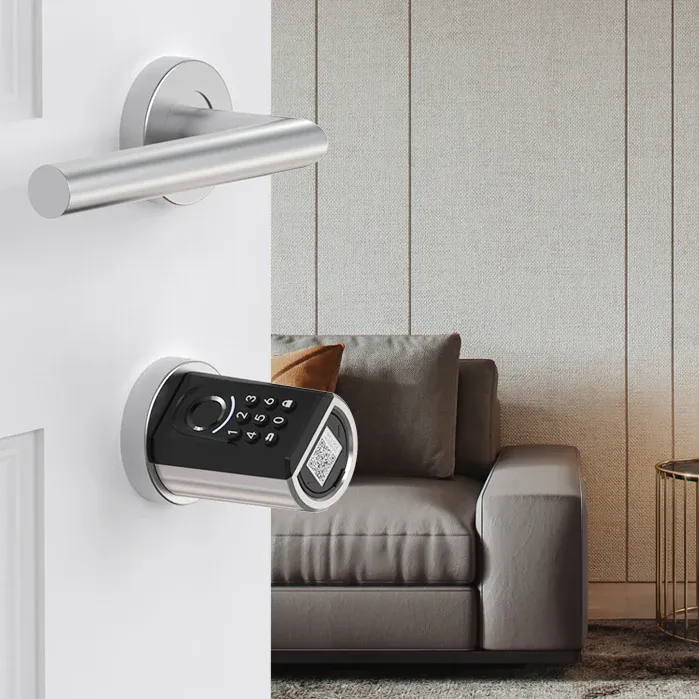
Photo: WELOCK, CC0, via Wikimedia Commons
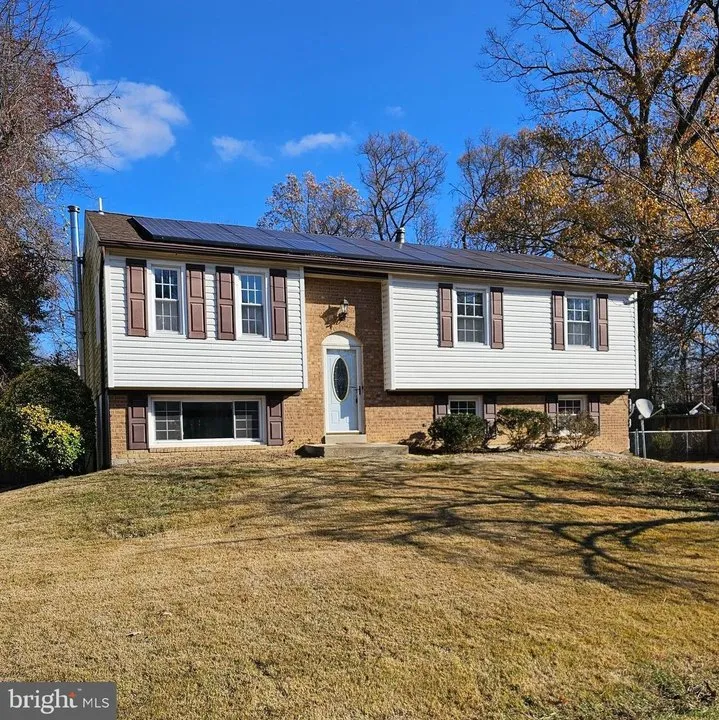
The house two doors down has a keypad lock, a fake fern by the door, and a different car in the driveway every weekend. No sign in the yard. But there's a permit number somewhere in a filing cabinet — or there isn't, which is also information.
Step one: figure out what your rules call it
Zoning codes do not use the word "Airbnb." Look for short-term rental, transient lodging, lodging house, homestay, bed and breakfast, accessory tourist rental. The definition usually turns on length of stay — often anything under 30 days — so read the definition before the use table.
Then find out how the code treats it: permitted by right, permitted with a conditional use permit, or prohibited outright. Check overlay districts. Check whether the rules distinguish owner-occupied rentals, where the host lives on site, from investor-owned whole-house rentals. Plenty of ordinances treat those two as completely different animals, with different caps, different inspections, and different fees.
And check the adoption date. A rental licensed under a 2019 ordinance may be nonconforming today, which is a real status with real limits — not a free pass.
Step two: search by address, not by name
Most permit portals — Accela, Tyler, Citizenserve, or a plain "Permits" page — let you search by street address or parcel number. Start there. Then work outward:
- Business license lookup. Many cities publish a searchable registry. Short-term rentals often need one.
- State lodging or transient occupancy tax registration. Usually the department of revenue. This is where unpaid-tax problems live.
- The listing itself. A growing number of cities require the permit number in the ad. If there's a number, type it in. If it's invented, you'll find out fast.
- The county assessor's parcel viewer. Confirms ownership. If the tax bill goes to a mailing address three states away, you've learned something about the "host."
Step three: read the permit like a contract
Permits carry conditions, and conditions are the part neighbors can actually use. Expect an occupancy cap — often two people per bedroom plus two — plus a parking requirement, quiet hours, trash rules, a local responsible party who must answer a phone within a set time, an inspection schedule, and an expiration date.
A violation of a permit condition is usually easier to document than a vague "nuisance." Screenshot the listing before it changes: dates, guest counts, "sleeps 14," checkout time. That's evidence with a timestamp on it.
Step four: call the right agency
Four offices, four different jobs:
- Planning or zoning: the use itself — unlicensed operation, too many guests, a commercial use in a residential zone.
- Code enforcement: trash, parking on the lawn, unpermitted construction, the hot tub.
- Finance or revenue: unpaid lodging tax. Cities pay attention to this one.
- Police non-emergency: noise, parties, anything happening right now. Ask for a case number.
Call code enforcement about an 11 p.m. party and you'll hear "that's a police matter." Call the police about an unlicensed rental and you'll hear "that's planning." Both statements are true and both leave you where you started. So keep a log: date, time, what you saw, which office you called, who you spoke to. Ten entries make a different document than one complaint.
Step five: find out whether anyone enforces the rule
This is the part the ordinance doesn't tell you. Ask three questions, in writing:
- How many short-term rental permits are active in the city right now?
- How many complaints were filed at short-term rentals in the last twelve months?
- How many were substantiated, and how many led to a citation or a revocation?
If permits number in the hundreds and citations in the single digits, you're looking at a complaint-driven system with no proactive inspections — common, because licensing offices are small and inspections cost money. That doesn't tell you whether this rental is legal. It tells you what kind of problem you have: a bad operator, or a rule nobody is minding.
If the answer is "we don't track that," that's your finding. Ask your council member to request it as a quarterly report. Numbers like these are cheap to produce once someone asks.
Don't skip the boring possibility
The rental might be perfectly legal. The guests might be quiet. Plenty of blocks have a short-term rental nobody notices. Before you build a file, check the permit — it takes ten minutes and prevents a genuinely awkward block meeting.
And if the rules themselves are the problem — an ordinance that allows whole-house rentals on every block, or one that requires a license nobody can realistically obtain — that's a different conversation, and it belongs at the planning commission rather than in a dispute with your neighbor.
A short script you can send
"I'm writing about [address]. Can you confirm whether a short-term rental permit is active, when it was issued, what occupancy and parking conditions it carries, and who the designated local contact is? Has the city received complaints at this address in the past year? I'd appreciate a written response."
Send it to the licensing office and copy your council member. You'll usually hear back within a week or two, and it will be on the record.
The keypad lock tells you nothing. The permit file tells you everything.