The Quiet Hours Are Written Down: Finding Your Block’s Real Noise Rules

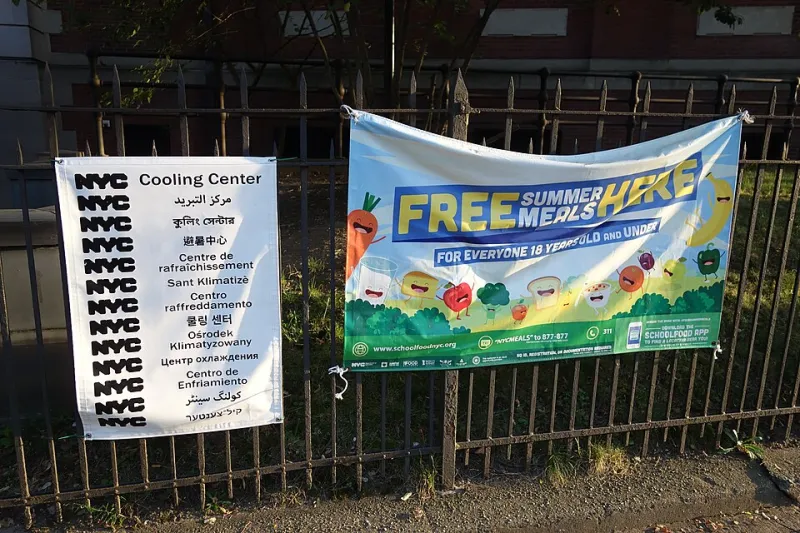
Photo: Cephas, CC BY-SA 4.0, via Wikimedia Commons
A leaf blower at 7:12 a.m. A bass line that arrives at 11:40 p.m. A dumpster dropped at dawn. Most of us have a personal threshold for what counts as too loud, but your city has a written one—probably several, depending on where you live, what time it is, and what kind of noise is being made. The trick is finding it.
Think of your neighborhood’s noise rules as a budget. It’s not one number for the whole city. It’s a schedule: limits by zoning district, separate rules for daytime and nighttime, and a long list of exceptions that can make a noisy hour perfectly legal. If you want to do more than fume about it, you need to read the actual ledger.
Start With the Code, Not the Complaint Line
Before you call anyone, pull up your city’s municipal code online. Most are searchable, and the magic words are simpler than you’d think: “noise,” “sound,” “decibel,” “disturbing the peace,” and “sound level.” You’re looking for the chapter that sets out noise regulations—often under public health, police powers, zoning, or environmental rules.
Don’t stop at the first section. Read the definitions. A city may define “nighttime” as 10 p.m. to 7 a.m. in one chapter and 11 p.m. to 6 a.m. in another. It may measure sound at the property line, at the receiving property, or at a fixed distance from the source. Those details decide whether a complaint is a violation or just an annoyance.
Next, find the table or list of limits by zoning district. Many ordinances set a lower limit for residential areas and a higher one for commercial or industrial zones. Some use dBA—A-weighted decibels, the scale that approximates how human ears hear—and others use plain language like “plainly audible.” If your city uses both, read how they interact.
The Exceptions Are Where Most Disputes Live
A noise ordinance is rarely just a decibel cap. It’s also a list of things the cap does not apply to. Construction hours, emergency generators, snow removal, garbage collection, lawn equipment, church bells, school bells, HVAC systems, and permitted special events often have their own rules or carve-outs.
Look for a section usually called “exemptions” or “exceptions.” This is where you’ll learn whether a 6 a.m. construction start is allowed, whether a weekend festival can exceed the normal limit, and whether a homeowner can get a temporary permit for a noisy repair. If a permit is required, note which department issues it and whether the permit has conditions—like a start time, a maximum sound level, or a required notice to neighbors.
The permit itself can be a public record. If a nearby venue or construction site is operating under one, ask for it. The conditions may be more specific than the ordinance, and enforcement may depend on them.
Who Actually Enforces It?
This is the part that surprises people. The noise ordinance may be enforced by police, code enforcement, a health department, or a combination. The answer changes how you document and report a problem. A police response is often complaint-driven and immediate. Code enforcement may work on a case basis during business hours. A health department may handle repeated or commercial noise.
Call the non-emergency line or your city’s 311 system and ask a direct question: “Which department handles noise complaints for my address, and what information do you need?” Write down the answer. If you’re told to call police in the moment, do that. If you’re told to file an online complaint, keep the confirmation number.
Build a Record That Travels
A single complaint is a data point. A pattern is a case. If the noise is recurring, keep a simple log: date, start time, end time, type of noise, location, and what it sounded like from inside your home. Note whether you measured it. Phone sound-meter apps are not calibrated instruments, but they can help you describe relative loudness. Don’t present an app reading as proof of a violation; present it as a supporting detail.
If you can, record short videos that include a time stamp and show the source or the direction of the sound. Ask neighbors whether they’re hearing the same thing. A handful of separate logs from different households is harder to dismiss than one frustrated call.
Then request the complaint records. Many cities publish 311 or code-enforcement logs online, and you can also file a public records request. Ask for noise complaints by address, date range, and disposition. You’re looking for patterns: repeated calls, warnings issued, citations filed, or a string of “no violation observed” notes that might suggest an enforcement gap.
Watch for the Rulebook Being Revised
Noise ordinances get updated. Cities revise decibel limits, add construction hours, create permit systems for outdoor events, or change which department responds. These changes usually appear on a city council, planning commission, or public health agenda before they become law.
Check your city’s agenda portal and search for “noise,” “sound,” or “ordinance amendment.” If a change is coming up, read the staff report. It often explains why the update is proposed and what the current enforcement problems are. You can submit written comment or speak at the meeting. You don’t need to be an acoustics expert. You need to describe what you’ve experienced and what you want the rule to do.
A Practical Starting Checklist
- Find the noise chapter in your municipal code and read the definitions, limits, exemptions, and permit sections.
- Identify your zoning district and the time-of-day limits that apply to it.
- Ask 311 or the non-emergency line which department enforces noise rules at your address.
- Keep a dated log and encourage neighbors to keep their own.
- Request complaint records for the address or area.
- Search council and commission agendas for noise-related amendments.
The quiet hours are written down somewhere. Once you find them, you can stop guessing whether a sound is legal and start asking a more useful question: is the rule being followed, and if not, who is supposed to do something about it?